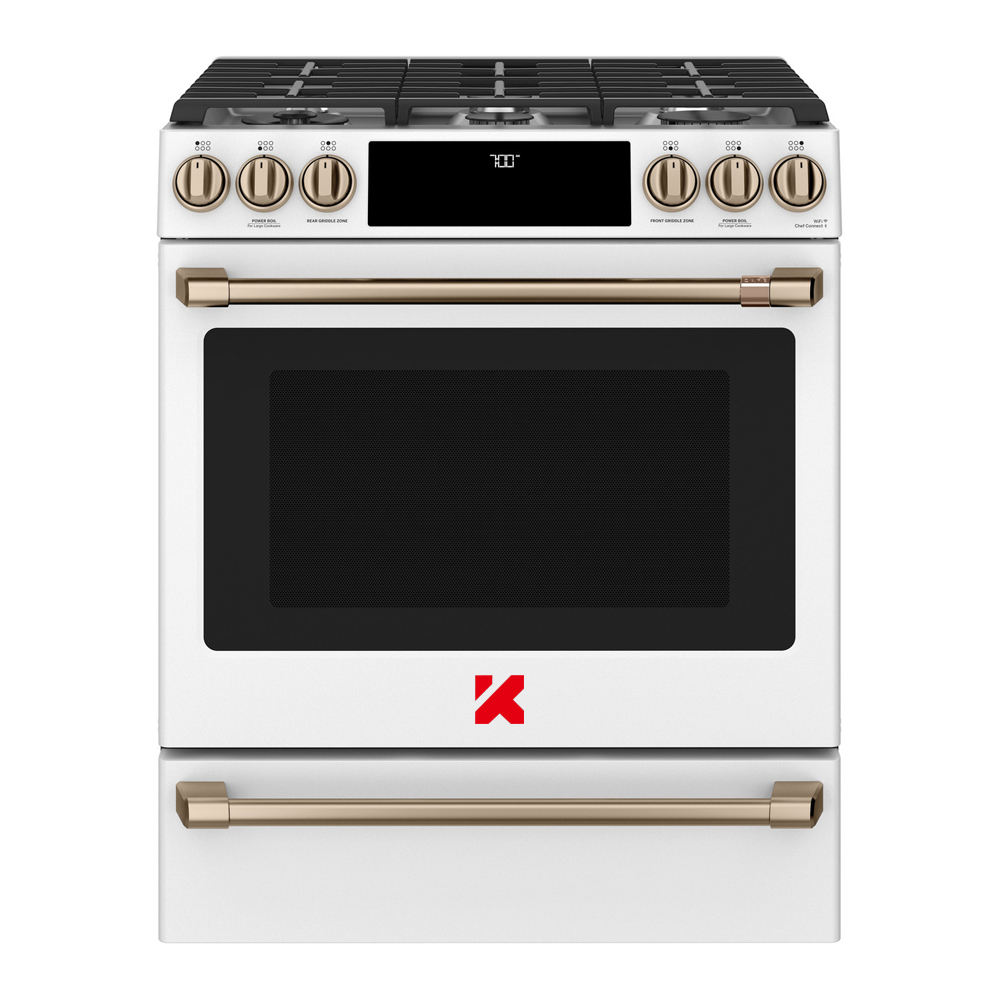
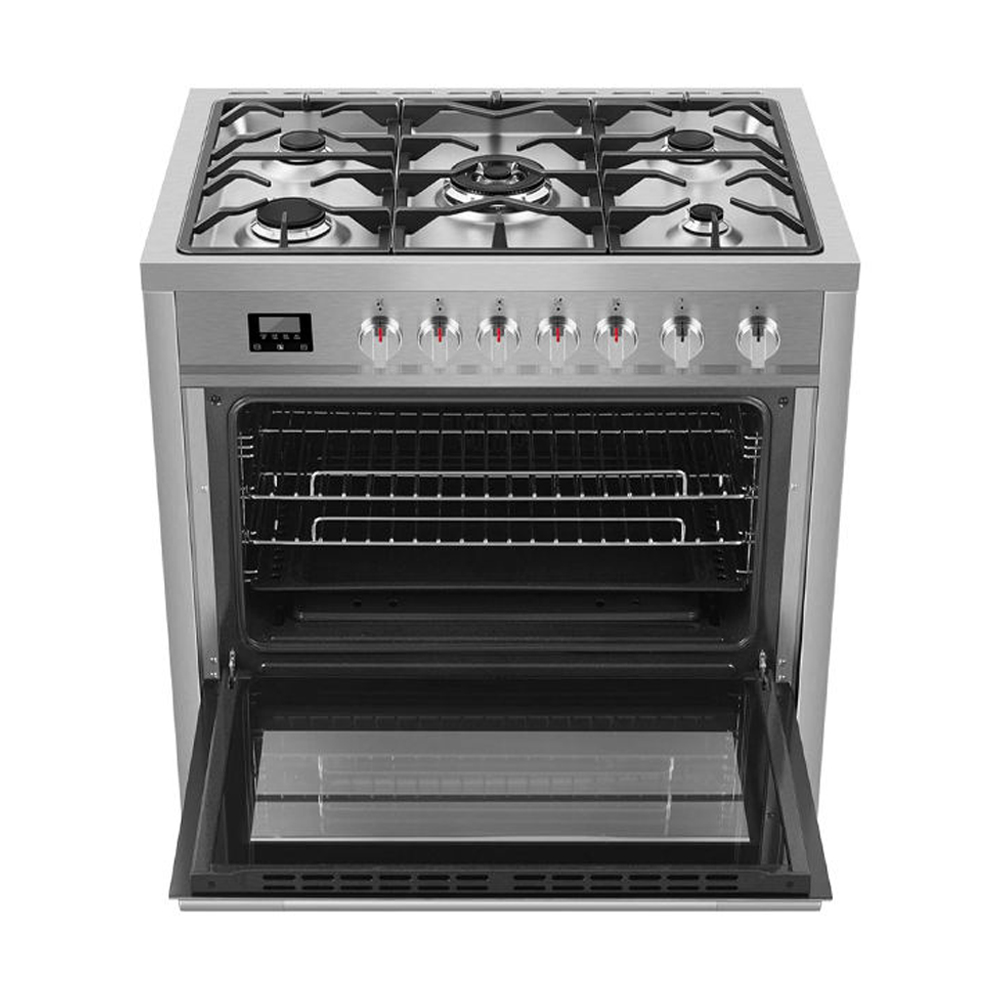
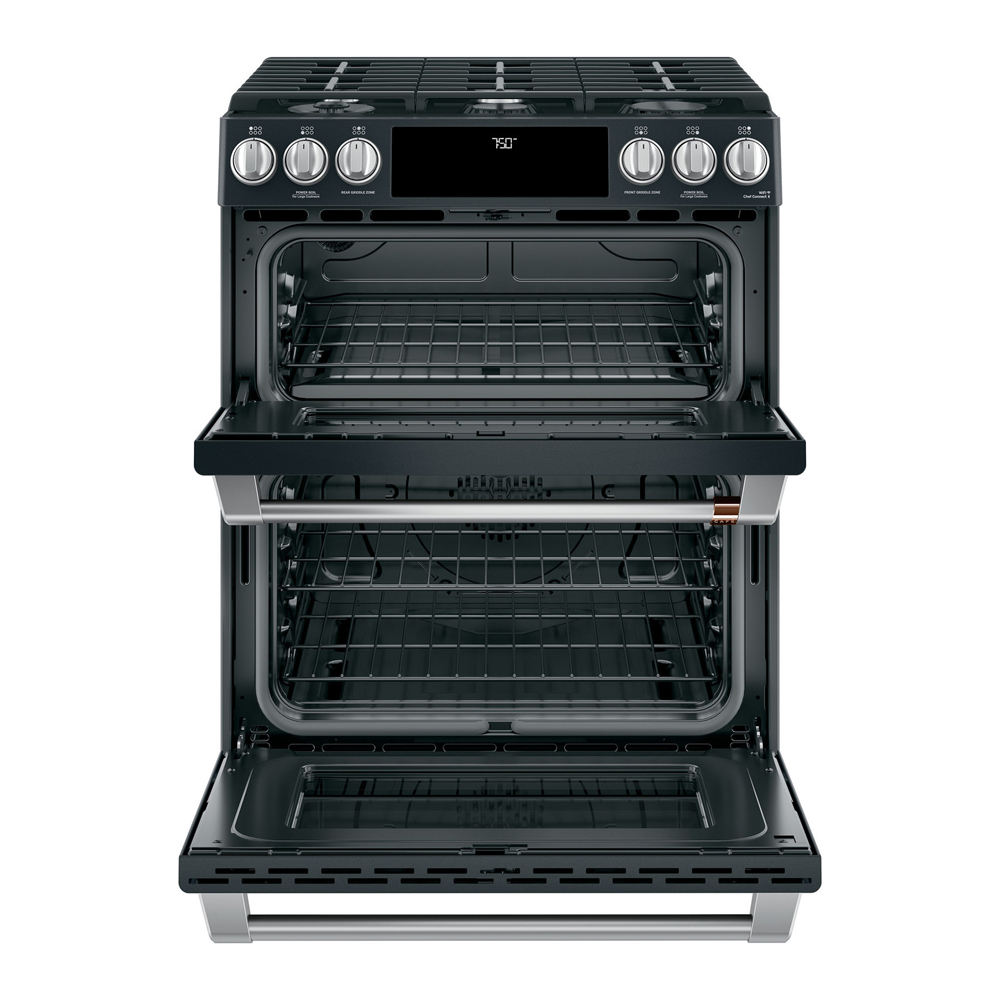
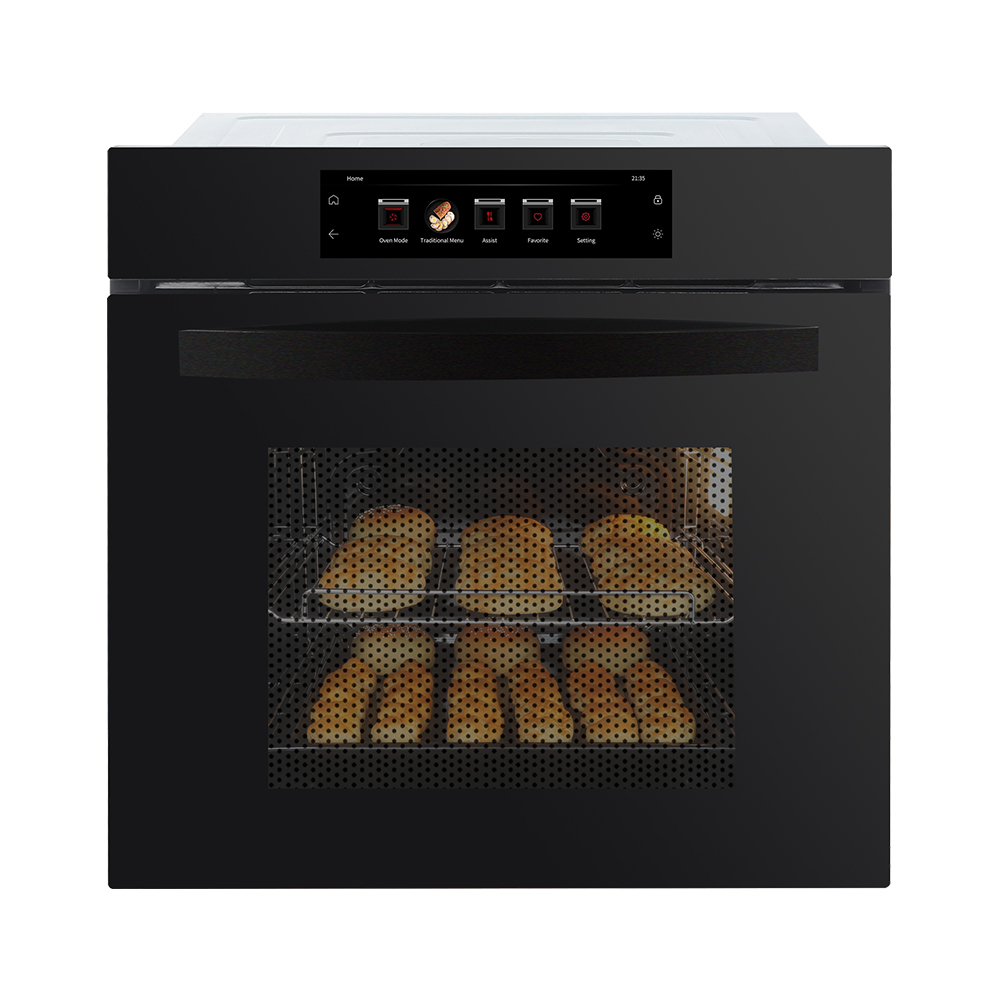
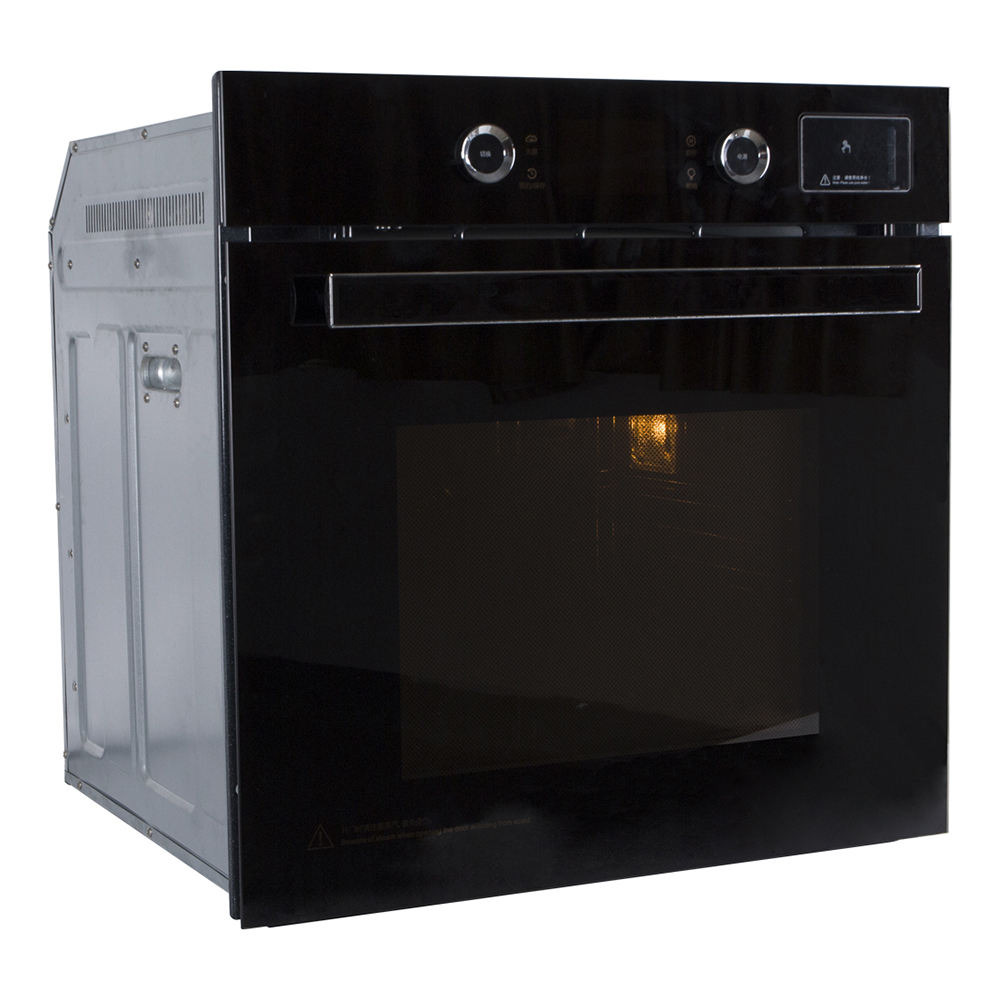
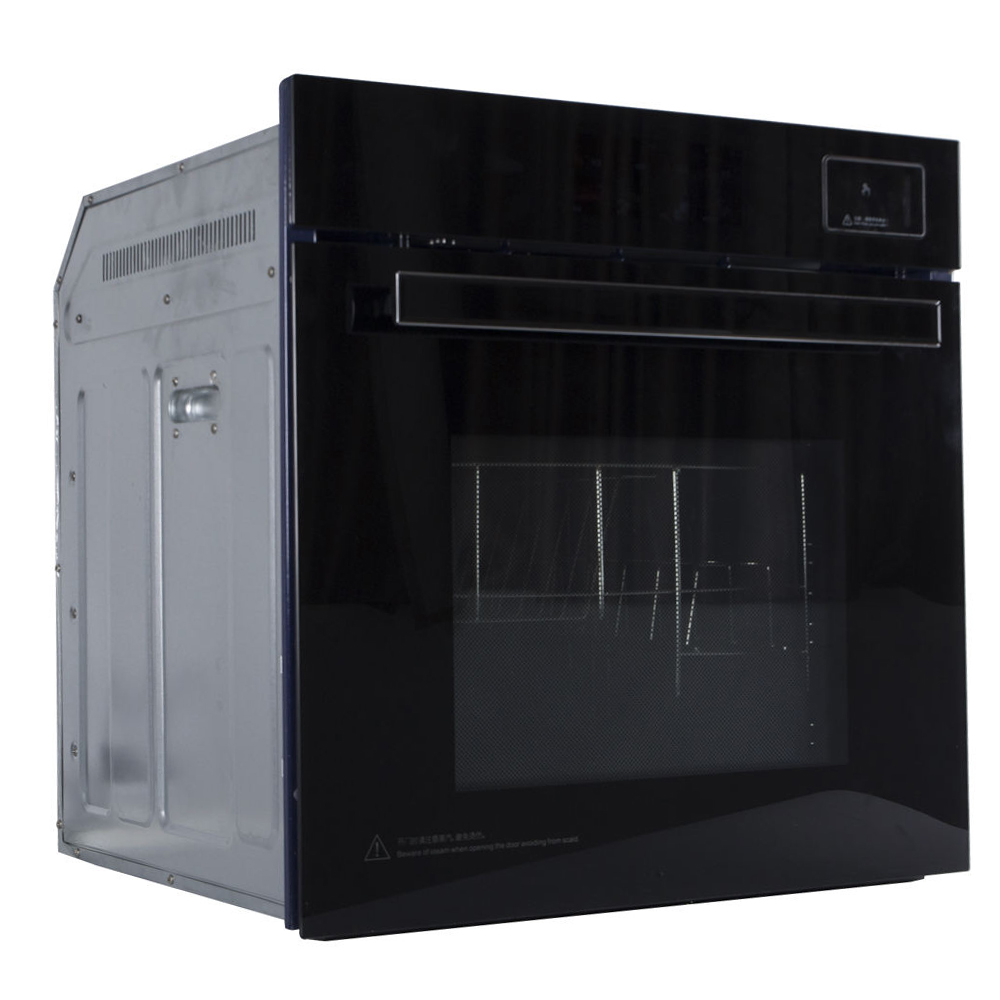
আপনি নিরাপদে একটি বৈদ্যুতিক চুলার ভিতরে অ্যালুমিনিয়াম ফয়েল ব্যবহার করতে পারেন, যদি আপনি আগুনের ঝুঁকি, বায়ুপ্রবাহে বাধা এবং ওভেনের গরম করার উপাদান বা অভ্যন্তরীণ আস্তরণের স্থায়ী ক্ষতি রোধ করতে নির্দিষ্ট সুরক্ষা প্রোটোকল অনুসরণ করেন। যখন অ্যালুমিনিয়াম ফয়েল একটি বহুমুখী রান্নাঘর প্রধান, এর উচ্চ প্রতিফলন এবং তাপ-পরিবাহী বৈশিষ্ট্যগুলির জন্য একটি আবদ্ধ পরিবেশের মধ্যে যত্নশীল ব্যবস্থাপনা প্রয়োজন। বৈদ্যুতিক চুলা . এটিকে ভুলভাবে ব্যবহার করলে অসম রান্না, গলিত ফয়েল বা এমনকি বৈদ্যুতিক ত্রুটি হতে পারে।
বৈদ্যুতিক ওভেনে অ্যালুমিনিয়াম ফয়েলের জন্য প্রাথমিক নিরাপত্তা নিয়ম
সবচেয়ে গুরুত্বপূর্ণ নিরাপত্তা নিয়ম হল বৈদ্যুতিক ওভেনের মেঝে বা নীচের পৃষ্ঠে সরাসরি অ্যালুমিনিয়াম ফয়েল রাখবেন না। অনেক আধুনিক বৈদ্যুতিক চুলাs চুলা মেঝে নীচে অবস্থিত গরম করার উপাদান আছে; সঙ্গে এই পৃষ্ঠ আচ্ছাদন অ্যালুমিনিয়াম ফয়েল ফাঁদ তাপ, যা চীনামাটির বাসন এনামেল ফাটতে পারে বা ফয়েল নিজেই গলে ওভেনের অভ্যন্তরে ফিউজ হতে পারে। এটি শুধুমাত্র আপনার যন্ত্রের নান্দনিকতা নষ্ট করে না বরং ব্যয়বহুল মেরামত বা সম্পূর্ণ গরম করার উপাদান ব্যর্থতা
পরিবর্তে, যদি আপনি ব্যবহার করছেন অ্যালুমিনিয়াম ফয়েল ড্রিপস ধরার জন্য, এটিকে নীচে রাখুন ওভেন র্যাক বরং মেঝে থেকে। নিশ্চিত করুন যে ফয়েলের টুকরোটি অনুমতি দেওয়ার জন্য বেকিং ডিশের চেয়ে সামান্য বড় সঠিক বায়ু সঞ্চালন . বায়ুপ্রবাহে বাধার ফলে "হট স্পট" হতে পারে, যেখানে ওভেনের নির্দিষ্ট কিছু জায়গা থার্মোস্ট্যাট সেটিং থেকে উল্লেখযোগ্যভাবে বেশি গরম হয়ে যায়, যা পোড়া খাবার এবং সম্ভাব্য থার্মোস্ট্যাটের ক্ষতির দিকে পরিচালিত করে।
কেন বসানো গুরুত্বপূর্ণ: আপনার গরম করার উপাদানগুলিকে রক্ষা করা
অ্যালুমিনিয়াম ফয়েল কখনই বৈদ্যুতিক ওভেনের গরম করার উপাদানগুলির সাথে সরাসরি সংস্পর্শে আসবে না। কারণ অ্যালুমিনিয়াম একটি অত্যন্ত পরিবাহী ধাতু, একটি উন্মুক্ত সঙ্গে যোগাযোগ বৈদ্যুতিক গরম করার উপাদান একটি শর্ট সার্কিট, স্পার্কিং, বা উপাদান একটি স্থায়ী বার্নআউট হতে পারে. এই ঝুঁকি ছোট মধ্যে বিশেষ করে উচ্চ টোস্টার ওভেন যেখানে র্যাক এবং উপাদানগুলির মধ্যে স্থান ন্যূনতম।
খাবার মোড়ানো বা একটি ট্রে ঢেকে রাখার সময়, নিশ্চিত করুন যে এর কোন আলগা প্রান্ত নেই ফয়েল তাক বন্ধ ঝুলন্ত হয়. এর একটি আলগা ফ্ল্যাপ অ্যালুমিনিয়াম ফয়েল পরিচলন ফ্যান দ্বারা ধরা যেতে পারে (যদি আপনার ওভেন থাকে) এবং এতে প্রস্ফুটিত হয় গরম করার উপাদান . সর্বদা প্যান বা থালাটির চারপাশে প্রান্তগুলি শক্তভাবে টুকরো টুকরো করে রাখুন যাতে ফয়েলটি সর্বদা সুরক্ষিত থাকে। বেকিং প্রক্রিয়া .
অ্যালুমিনিয়াম ফয়েল এবং তাপ প্রতিফলন
অ্যালুমিনিয়াম ফয়েল তাপীয় বিকিরণ প্রতিফলিত করে, যা হয় এমনকি রান্নায়ও সহায়তা করতে পারে বা ভুলভাবে ব্যবহার করা হলে কম রান্না করা খাবারের দিকে পরিচালিত করতে পারে। এর চকচকে দিক অ্যালুমিনিয়াম ফয়েল অত্যন্ত প্রতিফলিত, এবং যদিও চকচকে এবং নিস্তেজ দিকগুলির মধ্যে পার্থক্য বেশিরভাগ বাড়ির রান্নার জন্য নগণ্য, সামগ্রিকভাবে প্রতিফলন যদি আপনি এটিকে খুব শক্তভাবে ঢেকে রাখেন বা অনেক স্তর ব্যবহার করেন তবে উপাদানটি তাপ থেকে দূরে যেতে পারে।
বিপরীতভাবে, খাদ্য মোড়ানো ফয়েল একটি "ক্ষুদ্র বাষ্প চেম্বার" তৈরি করে, যা মাংসে আর্দ্রতা ধরে রাখার জন্য চমৎকার ভাজা মুরগি বা ব্রিসকেট। যাইহোক, আপনি সচেতন হতে হবে কারণ ফয়েল তাপ প্রতিফলিত করে, আপনার খাবারের উপরের পৃষ্ঠটি যত দ্রুত বাদামী নাও হতে পারে যদি এটি খোলা না থাকে। অর্জন a খাস্তা জমিন , এটা প্রায়ই অপসারণ করার সুপারিশ করা হয় অ্যালুমিনিয়াম ফয়েল শেষ 15 থেকে 20 মিনিটের সময় রান্নার চক্র .
রাসায়নিক প্রতিক্রিয়া: অ্যালুমিনিয়াম ফয়েল এবং অ্যাসিডিক খাবার
আপনার উচ্চ অম্লীয় বা নোনতা খাবারের সাথে অ্যালুমিনিয়াম ফয়েল ব্যবহার করা এড়িয়ে চলা উচিত কারণ তারা আপনার খাবারে অ্যালুমিনিয়াম প্রবেশ করতে পারে। কখন অ্যালুমিনিয়াম ফয়েল মত উপাদানের সংস্পর্শে আসে টমেটো , সাইট্রাস ফল, বা ভারী ভিনেগার-ভিত্তিক marinades, একটি রাসায়নিক বিক্রিয়া ঘটে যা ধাতু ভেঙ্গে দেয়। এর ফলে ছোট ছোট নীল-ইশ সাদা পিনহোল হয় ফয়েল এবং আপনার খাবারে ধাতব স্বাদ।
যখন the amount of অ্যালুমিনিয়াম লিচড সাধারণত কম বলে মনে করা হয়, এটি স্বাদ বা দীর্ঘমেয়াদী স্বাস্থ্যের জন্য আদর্শ নয়। জড়িত থালা - বাসন জন্য লাসাগনা (টমেটো সস সহ) বা লেবু মেরিনেট করা মাছ, পার্চমেন্ট কাগজ অথবা একটি কাচের ঢাকনা একটি অনেক নিরাপদ এবং আরো কার্যকর বিকল্প। যদি ব্যবহার করতে হয় ফয়েল এই খাবারের জন্য, একটি স্তর স্থাপন বিবেচনা পার্চমেন্ট কাগজ খাদ্য এবং ফয়েল মধ্যে একটি প্রতিরক্ষামূলক বাধা হিসাবে কাজ.
ওভেন লাইনার এবং মোড়কের তুলনা
সঠিক উপাদান নির্বাচন করা আপনার লক্ষ্য তাপ ধরে রাখা, নন-স্টিক বৈশিষ্ট্য বা পরিচ্ছন্নতার উপর নির্ভর করে। নীচে ভিতরে ব্যবহৃত সাধারণ উপকরণগুলির একটি তুলনা বৈদ্যুতিক চুলাs কখন পৌঁছাতে হবে তা নির্ধারণ করতে আপনাকে সাহায্য করতে অ্যালুমিনিয়াম ফয়েল এবং কখন একটি বিকল্প চয়ন করতে হবে।
| উপাদান | সর্বোচ্চ তাপমাত্রা | সেরা ব্যবহারের ক্ষেত্রে | প্রধান ঝুঁকি |
|---|---|---|---|
| অ্যালুমিনিয়াম ফয়েল | প্রায় 1,220°F | মাংস মোড়ানো, crusts আচ্ছাদন | ওভেনের মেঝেতে গলে যাচ্ছে |
| পার্চমেন্ট পেপার | 420°F - 450°F | বেকিং কুকিজ, রোস্টিং ভেজ | তাপমাত্রা বেশি হলে আগুনের ঝুঁকি |
| সিলিকন ম্যাট | 480°F - 500°F | নন-স্টিক বেকিং পৃষ্ঠ | চর্বিযুক্ত হলে ধূমপান করতে পারেন |
পরিচলন ওভেনে অবরুদ্ধ বায়ুপ্রবাহের বিপদ
কনভেকশন ওভেনে অ্যালুমিনিয়াম ফয়েলের বড় শীট ব্যবহার করা ফ্যান-চালিত বায়ু সঞ্চালনকে ব্যাহত করতে পারে, যা খারাপভাবে রান্না করা খাবারের দিকে পরিচালিত করে। ক পরিচলন চুলা দ্রুত এবং আরও সমানভাবে খাবার রান্না করতে গরম বাতাসের ক্রমাগত চলাচলের উপর নির্ভর করে। যদি আপনি একটি সম্পূর্ণ কভার ওভেন র্যাক সঙ্গে ফয়েল , আপনি একটি কঠিন বাধা তৈরি করেন যা বাতাসকে আপনার থালাটির নীচে বা উপরে পৌঁছাতে বাধা দেয়।
এটি এড়াতে, সর্বদা উভয়ের মধ্যে কমপক্ষে দুই ইঞ্চি ব্যবধান রাখুন ফয়েল এবং চুলার দেয়াল . এটি নিশ্চিত করে যে গরম বাতাস চারপাশে সঞ্চালিত হতে পারে বেকিং চেম্বার . আপনি যদি ব্যবহার করেন ফয়েল একটি ড্রিপ ট্রে হিসাবে, নিশ্চিত করুন যে এটি খাবারের নীচে একটি র্যাকে রাখা হয়েছে এবং পুরো র্যাকটি ঢেকে রাখার পরিবর্তে এটির উপরের প্যানের চেয়ে সামান্য বড়।
"চকচকে দিক বনাম নিস্তেজ দিক" মিথ
বৈদ্যুতিক ওভেনে স্ট্যান্ডার্ড গৃহস্থালি বেকিংয়ের জন্য, অ্যালুমিনিয়াম ফয়েলের কোন দিকে মুখ করে তা বিবেচ্য নয়। চেহারা পার্থক্য শুধুমাত্র উত্পাদন প্রক্রিয়ার একটি ফলাফল (মিলিং), যেখানে দুটি স্তর ফয়েল একই সময়ে রোলার মাধ্যমে পাস করা হয়. রোলারগুলিকে স্পর্শ করে এমন দিকগুলি চকচকে হয়ে ওঠে, যখন একে অপরকে স্পর্শ করে এমন দিকগুলি নিস্তেজ হয়ে যায়।
সুনির্দিষ্ট পরীক্ষাগার সেটিংসে, চকচকে দিক একটু বেশি প্রতিফলিত হতে পারে ইনফ্রারেড বিকিরণ , কিন্তু একটি 350 ° ফা বৈদ্যুতিক চুলা , তাপমাত্রার পার্থক্য কার্যত অস্তিত্বহীন। আপনি উভয় পক্ষের জন্য সমান আত্মবিশ্বাস সঙ্গে ব্যবহার করতে পারেন রোস্টিং , মোড়ানো, বা আবরণ।
ওভেনে ফয়েল ফিউজ হয়ে গেলে পরিষ্কার এবং রক্ষণাবেক্ষণ
যদি অ্যালুমিনিয়াম ফয়েল আপনার ওভেনের মেঝেতে গলে যায়, তাহলে এনামেল আবরণের ক্ষতি এড়াতে আপনাকে অবশ্যই এটিকে সাবধানে সরিয়ে ফেলতে হবে। অনেক ব্যবহারকারী ভুল করে এটিকে ধাতব ছুরি দিয়ে স্ক্র্যাপ করার চেষ্টা করেন, যা গভীর স্ক্র্যাচের দিকে পরিচালিত করে। পরিবর্তে, একবার চুলা সম্পূর্ণ ঠান্ডা, আপনি একটি ভেজা কাপড় এবং একটি বিশেষ ওভেন পরিষ্কারের পেস্ট ব্যবহার করে দেখতে পারেন।
যদি ফয়েল উল্লেখযোগ্যভাবে মিশ্রিত হয়েছে, আপনাকে একটি ভারী শুল্ক প্রয়োগ করতে হতে পারে চুলা cleaner এবং ধাতু এবং এর মধ্যে বন্ধন আলগা করতে এটি কয়েক ঘন্টার জন্য বসতে দিন চীনামাটির বাসন এনামেল . চরম ক্ষেত্রে, যেখানে ফয়েল গরম করার উপাদান ট্র্যাকের মধ্যে গলে গেছে, এটি প্রতিরোধ করার জন্য একজন পেশাদার প্রযুক্তিবিদদের সাথে পরামর্শ করা ভাল বৈদ্যুতিক আগুন .
নিরাপদে ফয়েল ব্যবহার করার জন্য ধাপে ধাপে নির্দেশিকা
- ধাপ 1: আপনার পরিমাপ বেকিং ডিশ এবং একটি টুকরা কাটা ফয়েল থালা থেকে মাত্র 1-2 ইঞ্চি বড়।
- ধাপ 2: নিশ্চিত করুন বৈদ্যুতিক চুলা racks যাতে অবস্থান করা হয় ফয়েল উপরে বা নীচে স্পর্শ করবে না গরম করার উপাদানs .
- ধাপ 3: শক্ত করুন ফয়েল আপনার প্যানের প্রান্তের চারপাশে এটি ফ্ল্যাপ করা থেকে রোধ করতে পরিচলন স্রোত .
- ধাপ 4: কvoid covering the entire ওভেন র্যাক বজায় রাখা সর্বোত্তম বায়ুপ্রবাহ .
- ধাপ 5: ড্রিপ ধরলে, বসান ফয়েল সরাসরি খাবারের নিচে একটি র্যাকে, কখনোই না চুলা floor .
অ্যালুমিনিয়াম ফয়েল ঘন ঘন বিকল্প
আপনি যদি নিরাপত্তা বা লিচিং সম্পর্কে উদ্বিগ্ন হন তবে বৈদ্যুতিক ওভেন ব্যবহারের জন্য অ্যালুমিনিয়াম ফয়েলের বেশ কয়েকটি কার্যকর বিকল্প রয়েছে। পার্চমেন্ট পেপার নন-স্টিক বেকিংয়ের জন্য সোনার মান, বিশেষ করে কুকি এবং রোস্ট করা সবজির জন্য। এটি 450°F পর্যন্ত তাপ-প্রতিরোধী এবং এর সাথে প্রতিক্রিয়া করে না অ্যাসিডিক খাবার .
জন্য রোস্টিং meats , একটি উচ্চ মানের ব্যবহার বিবেচনা করুন ডাচ ওভেন সঙ্গে a lid or a glass ক্যাসেরোল থালা . এই হিসাবে একই আর্দ্রতা-ট্র্যাপিং সুবিধা প্রদান ফয়েল কিন্তু দীর্ঘমেয়াদী স্বাস্থ্যের জন্য পুনরায় ব্যবহারযোগ্য এবং নিরাপদ। আস্তরণের প্যানের জন্য, সিলিকন বেকিং ম্যাট একটি পরিবেশ-বান্ধব বিকল্প যা ধাতু গলে যাওয়ার ঝুঁকি ছাড়াই একটি নিখুঁত নন-স্টিক পৃষ্ঠ প্রদান করে।
প্রায়শই জিজ্ঞাসিত প্রশ্ন (FAQ)
অ্যালুমিনিয়াম ফয়েল কি বৈদ্যুতিক চুলায় আগুনের কারণ হতে পারে?
হ্যাঁ, অ্যালুমিনিয়াম ফয়েল আগুনের কারণ হতে পারে যদি এটি গরম করার উপাদানগুলির সাথে যোগাযোগ করে বা যদি এটি চুলার পৃষ্ঠের বিরুদ্ধে অতিরিক্ত তাপ আটকে দেয়। কারণ it is a metal, it can conduct electricity if it touches a live গরম করার উপাদান , স্ফুলিঙ্গ নেতৃস্থানীয়. সর্বদা আপনার নিরাপদ ফয়েল সময় স্থানান্তর থেকে এটি প্রতিরোধ করতে রান্না .
ফয়েল দিয়ে আমার ওভেনের নীচে লাইন করা কি নিরাপদ?
না, আপনার কখনই ফয়েল দিয়ে বৈদ্যুতিক ওভেনের নীচে লাইন করা উচিত নয়। এটি স্থায়ীভাবে ক্ষতি করতে পারে চুলা liner , ফাঁদ তাপ, এবং কারণ গরম করার উপাদানs অতিরিক্ত গরম করা এবং ব্যর্থ হওয়া। এটি সবচেয়ে সাধারণ কারণগুলির মধ্যে একটি চুলা repairs .
অ্যালুমিনিয়াম ফয়েল কি রান্নার সময় বাড়ায়?
ফয়েলে খাবার মুড়ে আসলে বাষ্প আটকে আলু বা রোস্টের মতো বড় আইটেমগুলির জন্য রান্নার সময় কমাতে পারে, তবে এটি বাদামী করার জন্য প্রয়োজনীয় সময় বাড়িয়ে দিতে পারে। যেহেতু ফয়েল প্রতিফলিত করে তাপ বিকিরণ , খাদ্যের বাহ্যিক অংশ সরাসরি তাপ থেকে রক্ষা করা হয়, তাই শেষে এটি অপসারণ করা প্রয়োজন খাস্তা ফিনিস .
যদি আমি একটি মাইক্রোওয়েভ-ওভেন কম্বোতে ফয়েল ব্যবহার করি তাহলে কী হবে?
আপনি অত্যন্ত সতর্ক হতে হবে; মাইক্রোওয়েভ ফাংশন সক্রিয় থাকলে, অ্যালুমিনিয়াম ফয়েল আর্কিং সৃষ্টি করবে এবং যন্ত্রটি ধ্বংস করতে পারে। শুধুমাত্র ব্যবহার করুন অ্যালুমিনিয়াম ফয়েল যদি যন্ত্রটি কঠোরভাবে ভিতরে থাকে পরিচলন বা বেক মোড . যদি কোন সন্দেহ থাকে, সম্মিলিত ইউনিটে সম্পূর্ণরূপে ধাতু ব্যবহার করা এড়িয়ে চলুন।
উপসংহার: সুবিধা এবং নিরাপত্তার ভারসাম্য
কluminum foil is a safe and highly effective tool for electric oven cooking when used as a wrap or a rack-based drip catcher. এর চাবিকাঠি রান্নাঘর নিরাপত্তা উপাদানের সীমাবদ্ধতা বোঝার মধ্যে রয়েছে—বিশেষ করে এর পরিবাহিতা এবং প্রতিফলন . রাখার মাধ্যমে ফয়েল থেকে দূরে চুলা floor এবং গরম করার উপাদানs , আপনি আপনার ব্যয়বহুল ক্ষতির ঝুঁকি ছাড়াই সহজ পরিষ্কারের সুবিধা উপভোগ করতে পারেন বাড়ির যন্ত্রপাতি .
কlways prioritize বায়ুপ্রবাহ এবং be mindful of the types of food you are cooking. When in doubt, alternatives like পার্চমেন্ট কাগজ বা সিলিকন ম্যাট উচ্চ-তাপের জন্য একটি নিরাপদ অভিজ্ঞতা প্রদান করতে পারে বেকিং এবং অম্লীয় রেসিপি . যথাযথ চুলা maintenance এবং cautious ফয়েল placement নিশ্চিত করবে আপনার বৈদ্যুতিক চুলা আগামী বছরের জন্য শীর্ষ অবস্থায় থাকে।